Travel Report Namibia: Highlights and tips for a rental car round trip
Is a road trip through Namibia worth it?
Our Namibia travel guide summarizes the highlights of our self-drive tours and provides you with valuable tips on how to prepare.
Traveling to Namibia
From Germany, flights to Windhoek typically depart from Frankfurt or Munich, either directly or via Johannesburg.
Travel via South Africa
If you’re traveling via South Africa—usually via Johannesburg—and have a connecting flight, you can typically check your luggage all the way to your final destination. This works without any issues if the entire flight is part of a single booking. For separately booked flights, be sure to stay within the same airline alliance. After landing in Johannesburg, head toward “International Transfer,” where each airline has its own counter. There is no option to recheck luggage there. So if you cannot check your luggage through, you run the risk of having to officially enter South Africa to recheck your luggage and then go through security and immigration again.
On the way to the international transfer area, there is a passport control point where your passport will be stamped. After that, you’ll pass the check-in area and re-enter International Terminal A, from which flights to Europe and the U.S. also depart. The SAA lounge for Star Alliance members is also located here.
Security Check When Entering South Africa
Until recently, small scissors below a certain size could be carried through security checks in South Africa in carry-on luggage without any problems. However, new rules are now in effect: Nail clippers and small nail scissors are also no longer allowed in carry-on luggage. Before departure, you should check for the latest information and, to be on the safe side, pack such items in your checked luggage.
Immigration
You’ll need strong nerves when entering the country. You have to get in the line marked with red signs, which is sometimes poorly signposted. Even with an e-visa, you still have to handwrite your flight number, length of stay, and first overnight address on the form—even though this information was already provided when you applied for the visa.
The immigration officers aren’t particularly friendly; they take your photo, and at the end, you hear a rather reluctant “Welcome to Namibia.” After immigration, you still have to go through customs—even if you have “nothing to declare,” your luggage is X-rayed again.
You should plan on the entire process taking between one and 1.5 hours, even if you’re among the first passengers to leave the plane.
Mobile Data, Internet, Telephone
In Namibia, there is essentially only one reliable mobile network provider: MTC. The best option is to purchase an eSIM or a physical SIM card directly at the airport in Windhoek or at an MTC store—this cannot be done online, as you must present your passport for verification. Overall, cell service coverage in the country is rather poor, and in many places there is no reception at all. Even with German SIM cards or providers like Flexiroam or Airalo, you won’t have any luck in Namibia, as they don’t provide a signal there.
Wi-Fi speeds at lodges vary greatly; often, the bandwidth is so limited that extensive social media use is hardly possible.
MTC: You must register with your passport even when purchasing a prepaid SIM card. It’s best to do this right at the airport or at a store (e.g., at the Grove Mall). The service is first-rate, the price of around €20 for 30 GB / 30 days is fair, and the SIM is activated on the spot.
Do I need a Rental car in Namibia?
We definitely recommend renting a car. For those who have the necessary funds and limited time, a fly-in safari with a private pilot might also be an option, but most people will likely opt for a rental car. All the major rental companies are located at Windhoek Airport. We recommend comprehensive insurance with no deductible, as well as at least one—preferably two—spare tires. The gravel roads are brutal on tires. A 4×4 isn’t a must in most areas—including on our tour—but if possible, we’d always recommend a 4×4, or at least an SUV if a 4×4 isn’t available. There are great deals available, for example, at Check 24, so you won’t have to worry about a thing.
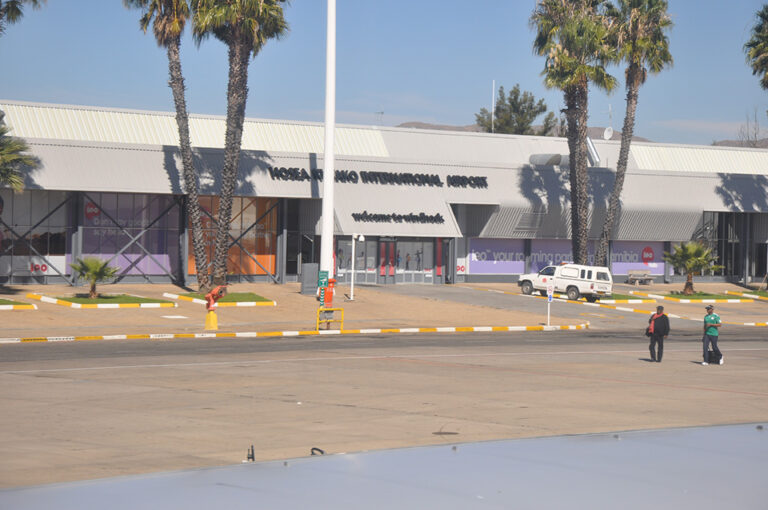
Windhoek Airport is very small and easy to navigate, and the rental car counters for the major agencies are located inside the airport.
It’s best not to rely on the emergency number (at least with Europcar)—it’s often unavailable, and WhatsApp messages are rarely answered. If you have a problem with your rental car and are still in or around Windhoek, it’s best to drive directly to a branch and request a replacement on the spot. Aside from the time it takes, this has worked without any issues.
On our travels through Namibia, we visited the following hotels, lodges, camps, and guesthouses, which we’ll describe in detail in the travelogue below. They cover the entire spectrum from south to north and include all of Namibia’s major highlights:
Ongava Game Reserve (Ongava Lodge / Andersssons / Encounter)
Etosha, Okaukuejo Camp
Etosha East: Mushara The Outpost
Otjiwa Collection: Thornbush tented Camp
Where is Namibia?
What you should definitely think about when traveling to Namibia
Local currency: Namibian dollar. You can use your credit card for payments or cash withdrawals at lodges and in larger towns throughout the country. You’ll need cash for gas stations, tips, and, if applicable, restaurants. U.S. dollars are also widely accepted, as in almost all other African countries. The South African rand is also legal tender, but be careful—the Namibian dollar is not accepted in South Africa!
Vaccinations: Coming from Germany, no vaccinations are required. However, the standard vaccinations are recommended, see suggestions from the German Foreign Office. Additionally COVID-19 vaccination card.
Drone flying in Namibia, is it allowed?
YES, but the question is whether it is worth the effort!
In Namibia, all drones must now be registered. There are different requirements depending on the intended use (private or commercial).
Private users must apply for an RPAS Letter of Approval (RLA). This application must be submitted by foreign nationals at least 60 days in advance and must include the following information:
Formal letter of application to the Executive Director of the Namibia Civil Aviation Authority (NCAA) detailing the purpose of the drone flights and intended duration.
A map showing the intended flight areas and with the coordinates of the ascent site.
Risk analysis and a “Safety Management Plan.”
Documentation on the aircraft showing the technical standards to which the drone was manufactured.
Proof of drone insurance that also covers third party damages in Namibia.
Proof of payment for the transfer of the processing fee of currently 1,200 NAD (approx. 80 Euro).
You can see that it is extremely time-consuming to get an official permit from the NCAA. I doubt that the effort is worth it for a private vacation.
Detailled Travel Report Namibia - important questions:
Namibia is definitely worth a visit. Formerly known as German South West Africa, it’s ideal for first-time visitors to Africa, as it has a very Western influence, high health standards, good infrastructure, and is considered relatively safe for tourists. The only things you’ll need to get used to—as is the case throughout Africa—are driving on the left and the gravel roads.
With the exception of the areas around Etosha Park and toward Botswana, Namibia is also considered malaria-free, which makes it even more attractive. Namibia’s landscape is diverse, and you’ll find practically everything from deserts to the ocean to bushland. You should visit this amazing country at least once in your life.
Windhoek
For us, Windhoek is the ideal starting point for any tour of Namibia. Below, we’ll introduce you to hotels in and around Windhoek:
Heinitzburg (Windhoek)
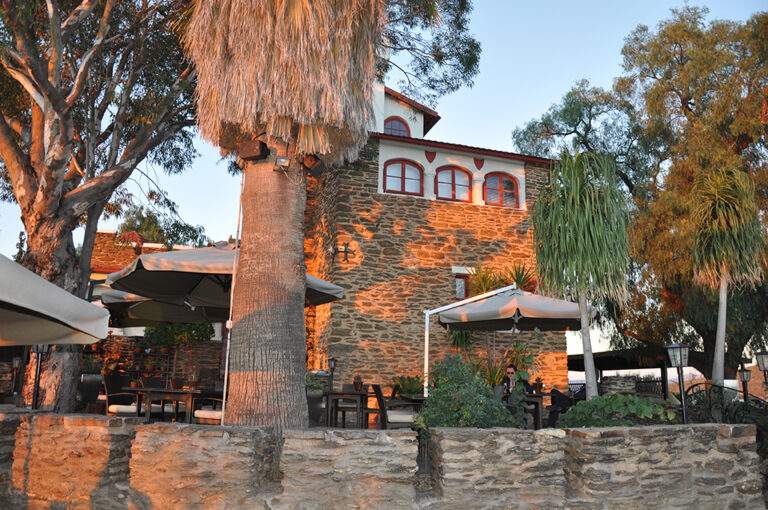
The Heinitzburg is one of the best and most historic hotels in Windhoek. This castle-style hotel offers breathtaking views of the city and features modern amenities, as well as an excellent restaurant. There are only 17 rooms. Each room has air conditioning and a view of the city. The drive from the airport takes about 1 hour.
Windhuk, Olive Grove Guest House
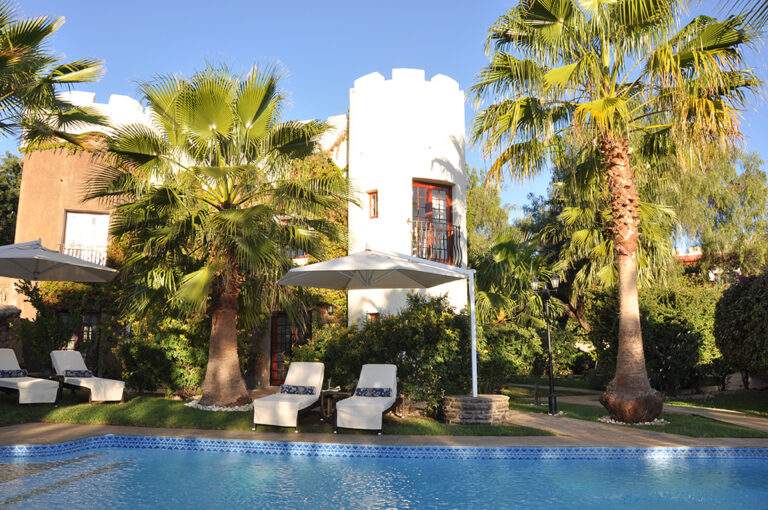
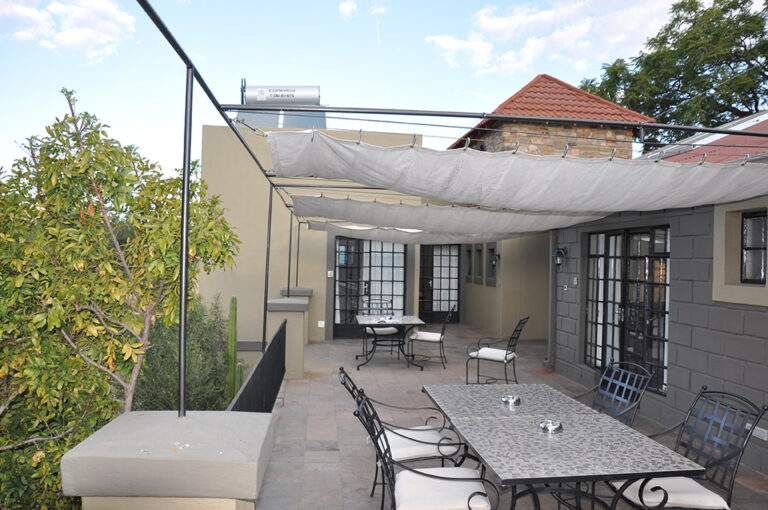
Olive Grove Guesthouse is located on a hill overlooking the northern suburbs of Windhoek and just a short drive from the city center. The upscale accommodation combines comfort and tranquility with all the luxuries necessary to make guests feel welcome and pampered.
Goche Ganas (appr. 30 min from Windhoek)
The Lodge
Goche Ganas verfügt über insgesamt 16 Bungalows, größtenteils Doppelzimmer – interessanterweise bei einigen mit getrennten Betten statt einem großen Bett. Die Zimmer sind modern, aber ohne überbordenden Luxus eingerichtet und bieten alle einen schönen Blick in die Natur.
Goche Ganas has a total of 16 bungalows, most of which are double rooms—interestingly, some feature twin beds instead of a large bed. The rooms are modern but not overly luxurious, and all offer a beautiful view of the natural surroundings.
Directions: The drive from Windhoek Airport takes about 1.5 hours. On the gravel road, you should definitely not drive according to the 100-km/h speed limit sign—otherwise, there’s a high risk of ending up in the ditch. Just before the lodge, there’s a parking lot where you’ll be picked up; you won’t drive all the way to the lodge.
The Food and Service
Bookings typically include breakfast and dinner, and lunch is also available—though only in the restaurant. The food is of very high quality, no matter what you order. Behind the restaurant is a small bar, and behind that is the boma, from which you can watch the sunset. If you wait until then, you’ll be treated to a crystal-clear starry sky with the Milky Way clearly visible.
Prices for drinks and lunch are in line with European standards, while prices for massages are significantly lower.
The Rooms
The bungalows are modern and comfortably furnished. Only the bathrooms are a bit dated, but they’re still fine.
Highlights
Excellent wellness area with a heated indoor pool (a real rarity in Africa)
Massages of the very highest caliber—every treatment I tried was well worth the money
A sauna and fitness area that meet all expectations
A nature walk lasting about 1.5 hours, which—since there are no dangerous animals—can be done on your own; with a little luck, you might spot gazelles, wildebeests, and even rhinos
Lowlights
Very weak Wi-Fi (about 5 Mbit/s), which completely crashes when multiple users are online at the same time—on the bright side, it’s a welcome digital detox
Miscellaneous: Goche Ganas
At Goche Ganas, a cell phone is more than enough for taking photos and videos; otherwise, a wide-angle lens is ideal for photographing the lodge. On the Nature Walk, a telephoto lens can come in handy at times, though there aren’t any truly great photo opportunities there. The lodge is primarily suited for wellness, relaxation, and good food.
Namib, Sossusvlei and Sossus Dune Lodge
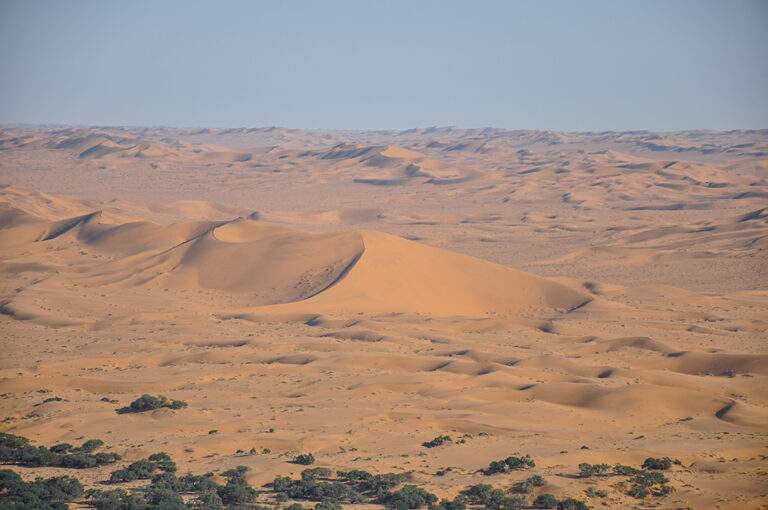
The Namib is the oldest desert in the world and in it lies the famous Sossusvlei, in the middle of the national park. The driving time from Windhoek is about 5h.
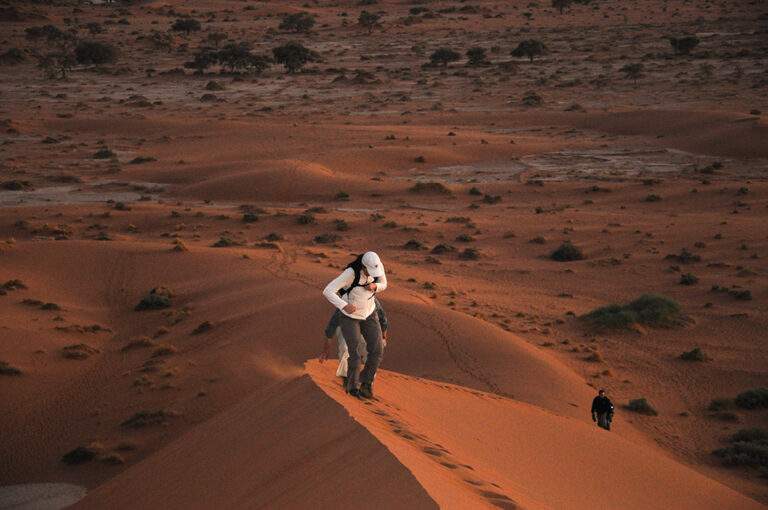
Sossus Dune Lodge is the only lodge in the national park, which is an advantage not to be underestimated. There are more luxurious lodges than this government run lodge, outside the national park. But if you want to be one of the first to sit on the dunes in the morning and watch the sunrise, you should book here. We were already sitting on the dune when the other cars on the horizon were still entering the park. None of them experienced the sunrise like we did. You have the desert practically to yourself and when the other tourists come you are already gone.
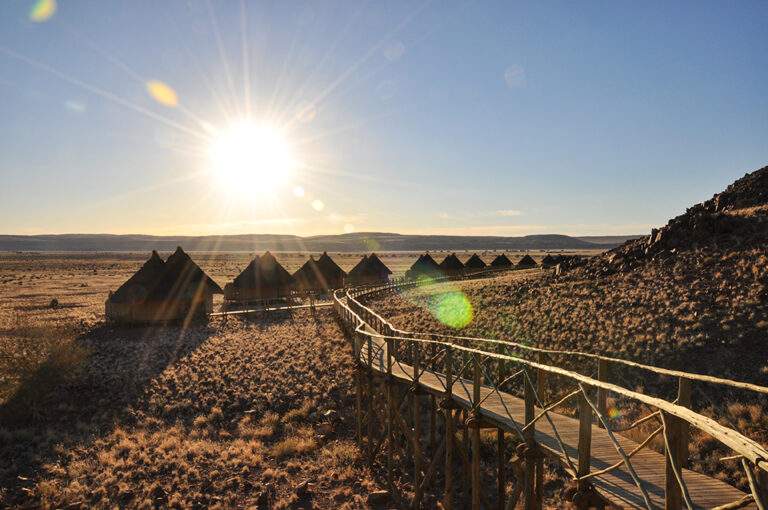
The lodge is very nicely located and the tents are good to luxury comfort. The sunset at the lodge an experience.
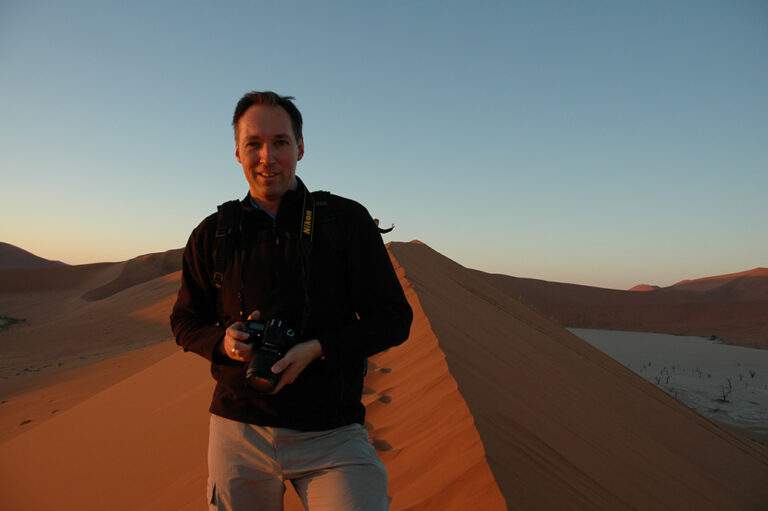
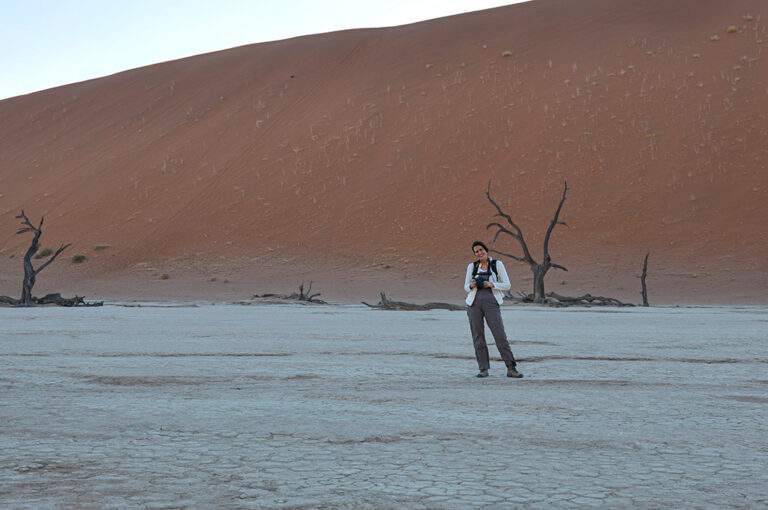
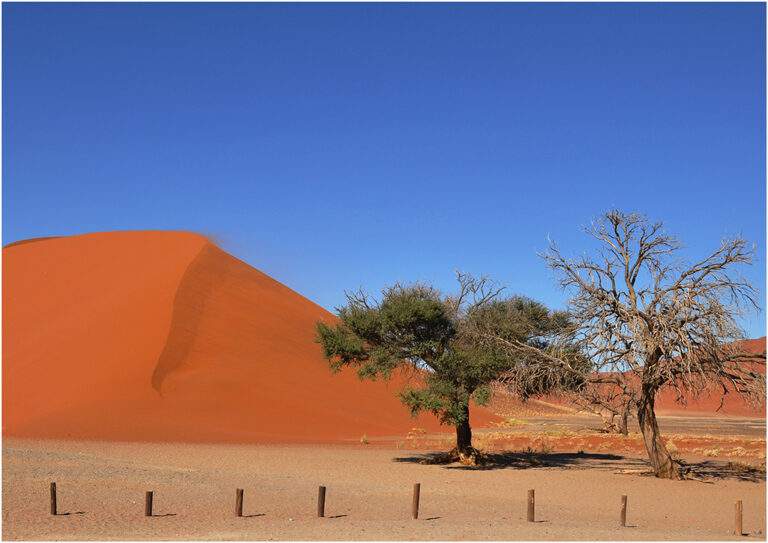
Photo tip: One of the most beautiful dunes is the Duene 45 near Deadvlei. The guides take all the tourists there, but it is also worth it. From below the dune does not look high, but it is. Also, a visit to Sossusvlei, a beige salt-clay pan enclosed by sand dunes that only holds water in rare good rainy years, is part of a visit. When it rains, a lake a few centimeters to several meters deep forms for a short time in the vlei at the end of the Tsauchab. The petrified trees attract thousands of photographers every year.
Rostock Ritz Desert Lodge
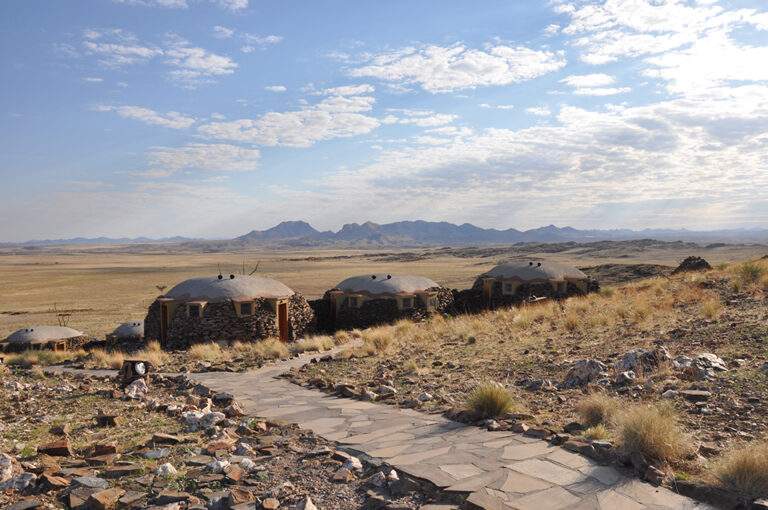
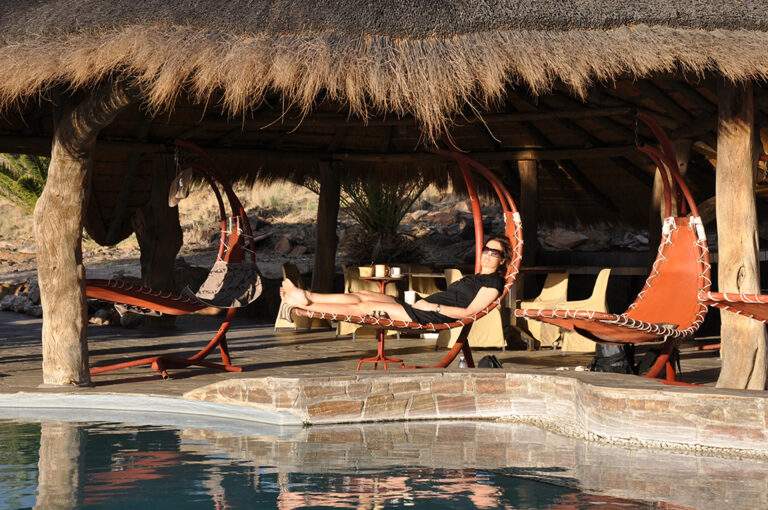
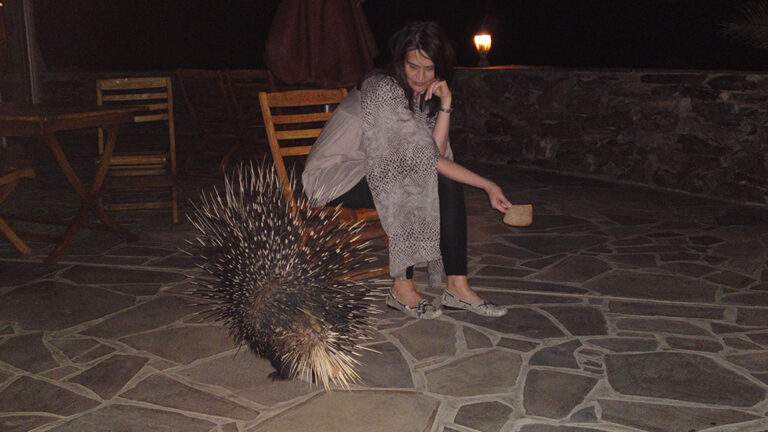
Rostock Ritz Desert Lodge is a good point to break the long stretch between the Namib and Swakopmund. The lodge is nicely situated, offers good food, a regular porcupine visit, and a pool with a great view over the landscape. However, we didn’t like the accommodations – 11 African-style roundhouses – that much and were glad to leave after one night.
Solitaire
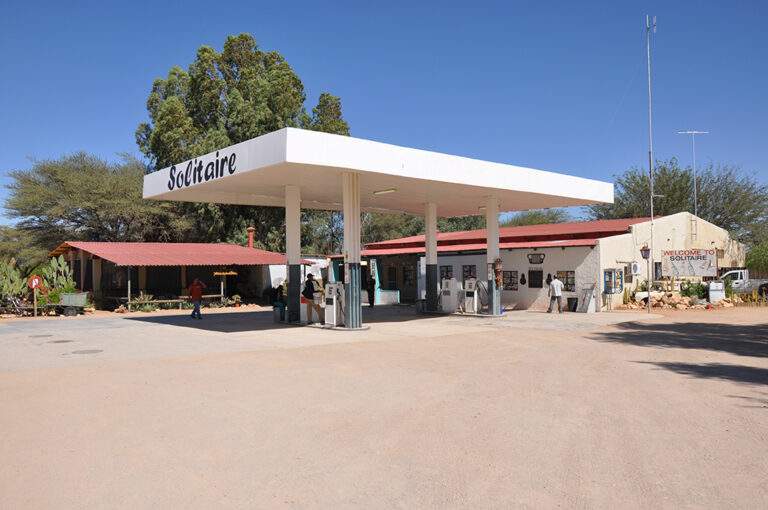
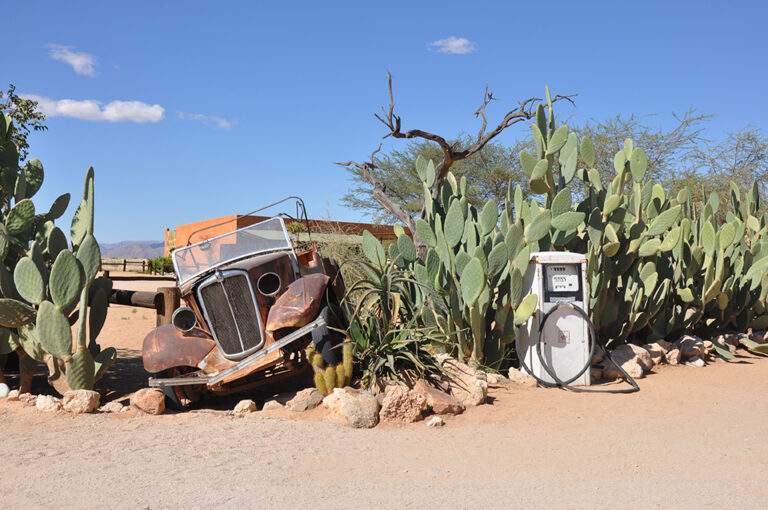
On the way to Swakopmund you pass Solitaire. Soltaire itself consists only of a gas station, a store, a chapel and a bakery with an attached cafe. The latter is world famous for its apple pie, the “best in Namibia”. A lodge and a campground complete Solitaire. Here you can also get the soccer results of the Bundesliga on a chalkboard, as well as other news and also fans of classic cars come at your expense.
Swakopmund, Cornerstone Guest House
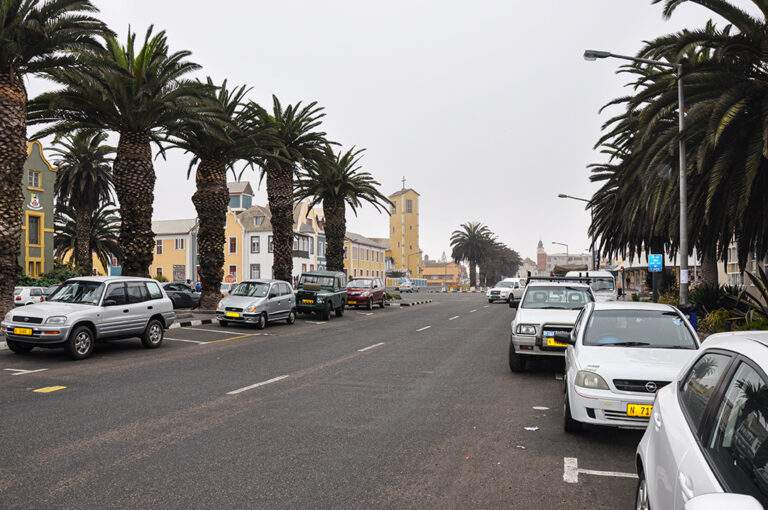
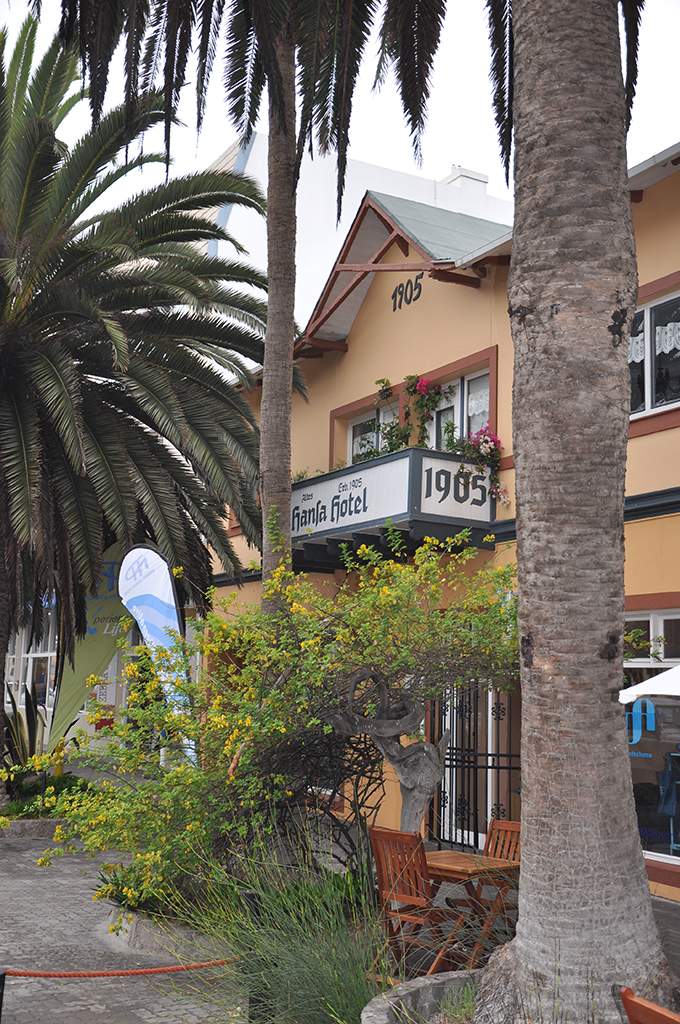
Swakopmund and Walfish Bay are among the highlights on the coast, by the sea. Both cities are still very much influenced by the German occupation, which can be seen without a doubt in the many German street signs, the design of the houses or the name of the hotels (Hotel Hansa). Also, German is still spoken very much. By the way, it is the only country, except Austria, Switzerland and a few villages in Latin America. It’s kind of funny when you suddenly walk past locals, regardless of skin color, and German is spoken.
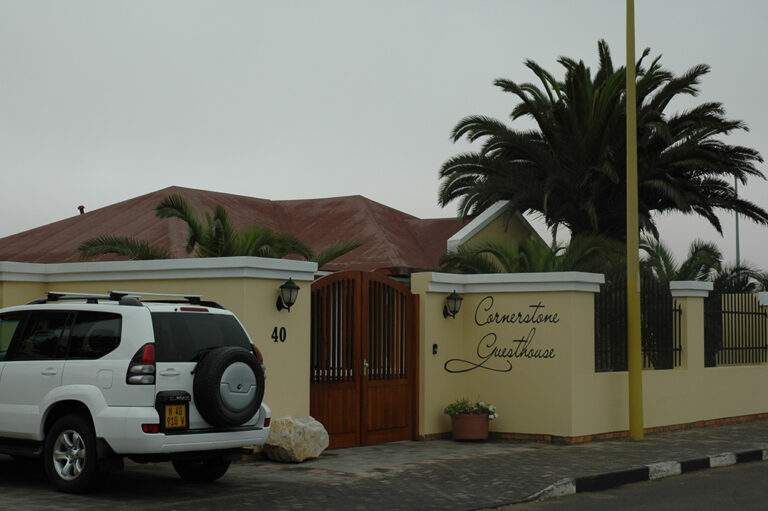
We stay at Cornerstone Guest House, which we can recommend. Price-performance top and the location as well. In the city itself, the Hansa Hotel and the Hotel Swakopmund are also very nice, but there all bus tourists descend. You have to like it.
Flight over the Namib Desert
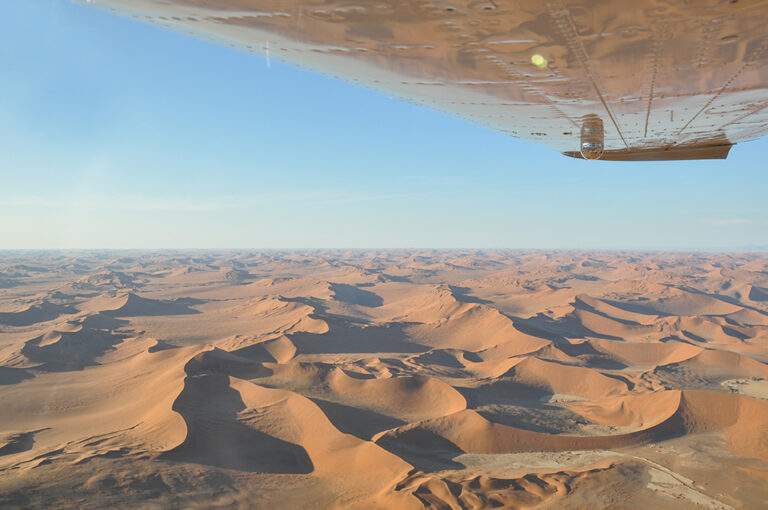
From Swakopmund a flight over the Namib is worthwhile. This sightseeing flight takes about an hour and there are several providers. It is flown with 6-seater Chesnas. An experience that you should definitely not miss.
Boatstour from Walfishbay
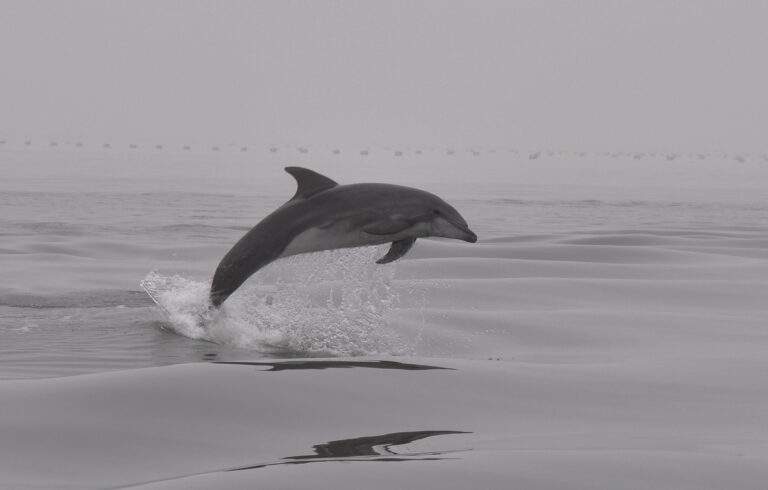
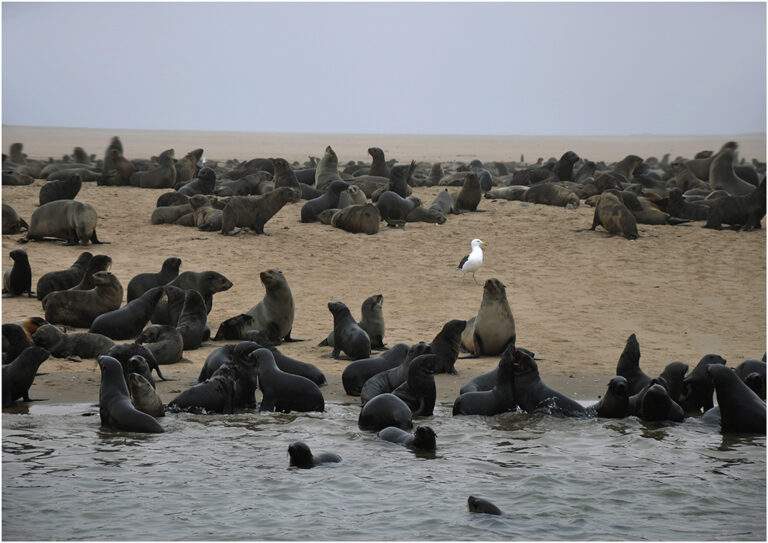
By car it is about 45min from Swakopmund to Walfishbay, from where you can book great boat tours. It usually goes to the seal colony, old shipwrecks and to the oyster beds. Yes, some of the best oysters in the world are farmed here, although global warming is making this increasingly difficult. On the tour you can also see dolphins and pelicans up close. At the parking lot there are masses of sellers of jewelry and everything else. Until today we can not forget that we gave the one seller before the boat tour wrong names (Dirk & Stefanie) and when we came back he stood there with 2 bracelets for Dirk and Stefanie. We still have a guilty conscience.
The boat tours usually start at 9am and last until 12:30pm. You should be at the port at 08:45 at the latest.
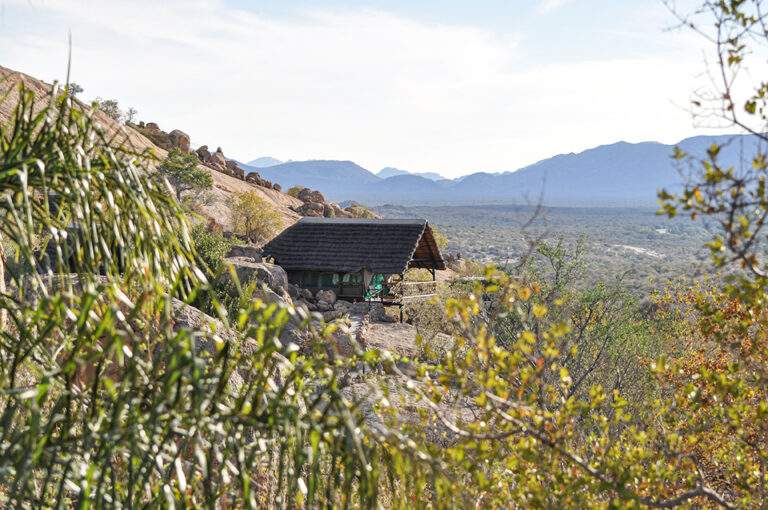
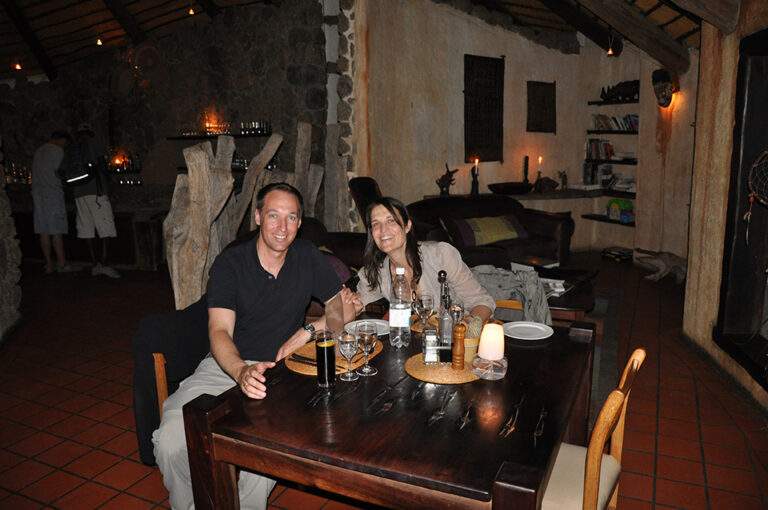
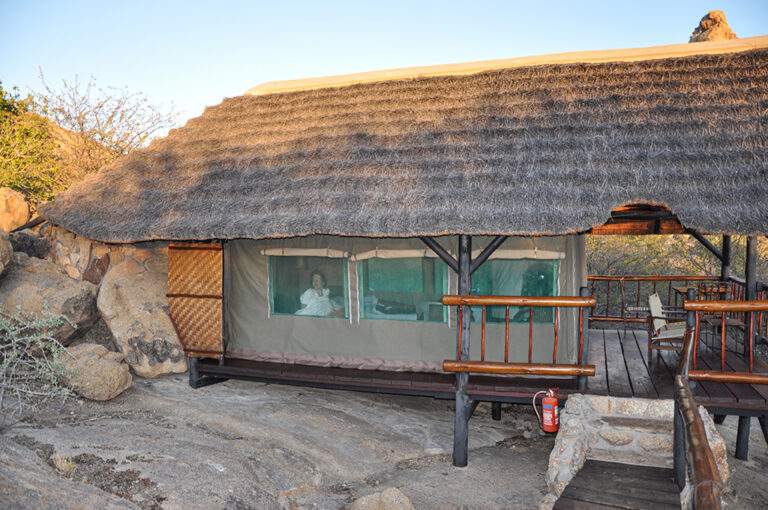
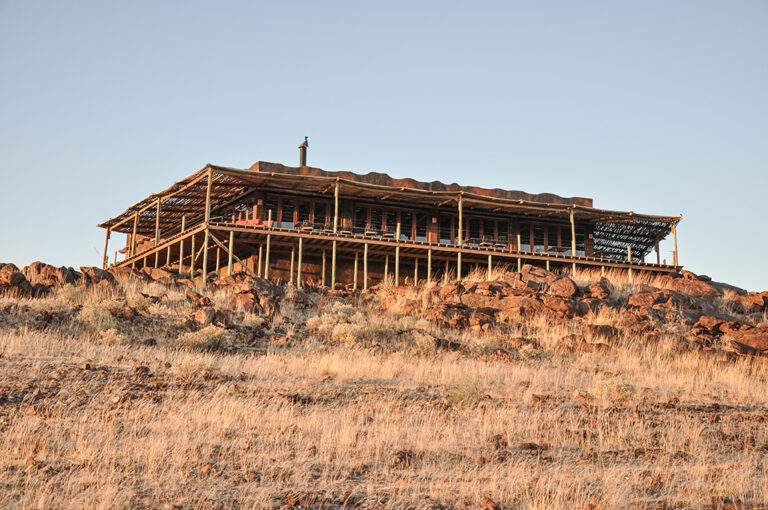
The driving time from Swakopmund is about 3,5h. Erongo Wilderness Lodge is located on the Erongo Mountains and in a nature reserve consisting of 30 privately owned farms. The luxurious, thatched, bungalow tents offer all the necessary comforts of a modern camping vacation. The main building has a great restaurant, views of a waterhole and a small pool. The lodge itself is beautifully nestled in the surrounding mountains.
Spitzkoppen Lodge
The Lodge
The lodge has 15 chalets and can accommodate about 30 guests—actually a bit too large for our taste, but still OK. The chalets are beautifully nestled in the rocky landscape and offer truly stunning views both at night and during the day, at sunrise and sunset.
The main building is located separately from the chalets on the other side of the hill range; you can either take a golf cart or walk the few hundred meters. The restaurant and pool area are close together and beautifully designed, including a small pool that blends perfectly into the rocky landscape.
Directions: The drive takes about 3.5 hours in total, mostly on paved roads; only the last 30 km are on a gravel road, which is in acceptable condition.
The Food and Service
In the evening, there is a set menu with no options. In the morning, there is a wonderful breakfast buffet and hot dishes à la carte. Overall, the food is very delicious.
The Tents
The tents are spacious, large, and modernly furnished, and the showers are excellent. However, there is no air conditioning, which leads to a significant rise in temperature inside the tent on hot days. Since there is no sewer system—only a septic tank—odors rise from the restroom area during the day; however, these noticeably subside at night when temperatures are significantly cooler.
The tents are spaced 20–30 meters apart, with no privacy screens. Due to the silence of the Namibian desert, sounds carry very well, especially in the morning when guests departing early are picked up by motorized golf carts. You should be prepared for the night to end by 6:30 a.m. at the latest.
Highlights
Spectacular starry sky and clearly visible Milky Way—ideal for astrophotography (recommended: a fast wide-angle lens, e.g., 20 mm f/1.8, plus a tripod)
Stunning location right in the rocky landscape of Spitzkoppe
Smaller animals such as rock hyraxes and striped squirrels, as well as the occasional zebra
Lowlights
There are a lot of flies due to the region’s dry climate—which is especially annoying when relaxing by the pool
There is no air conditioning in the tents, resulting in high temperatures and odors in the afternoons
Miscellaneous
The lodge is not really suited for traditional wildlife photography. The focus is on the landscape, the beautiful lodge itself, and the excellent food—all in all, it’s more of a wonderful place to relax and unwind.
Twyfelfontein Adventure Camp (Damaraland)
The Lodge
The camp is one of the larger accommodations and offers twelve luxury tents as well as an additional 12 simpler tents. The lodge is beautifully designed and is situated right next to a mountain. You can drive right up to your tent, which makes unloading your luggage easier.
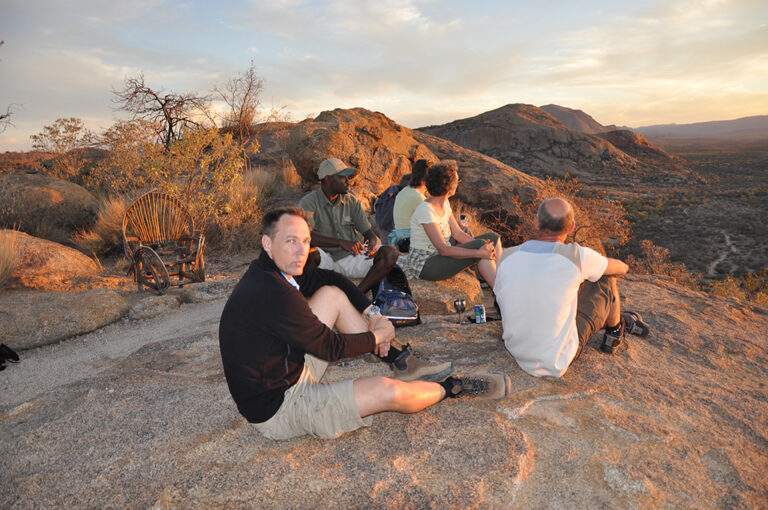
Next to the main building, there is a small pool with plenty of lounge chairs. A steep steel staircase leads directly from the lodge up the mountain; from there, the path continues uphill to Sundowner Point, which offers a magnificent view of the surrounding area and the sunset—a truly beautiful experience. Drinks and snacks are served there in the evening.
People usually book this lodge as a simple stopover, but it also offers safari excursions to see the desert elephants.
The Food and Service
The main building has a good restaurant that seats about 40–50 people. Breakfast, lunch, and dinner are served; breakfast and dinner are usually included in the price, and the prices for lunch and drinks are quite reasonable.
The Tents
Large and spacious, though without air conditioning.
Highlights
Sundowner Point with a fantastic view
Safari opportunities to see desert elephants
Lowlights
No air conditioning in the tents
Other
One night at this lodge is more than enough.
Damaraland, Doro!Nawas by Wilderness
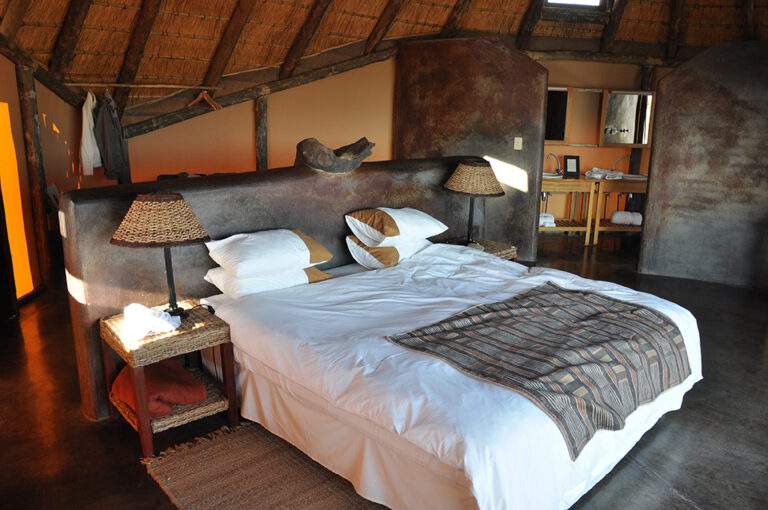
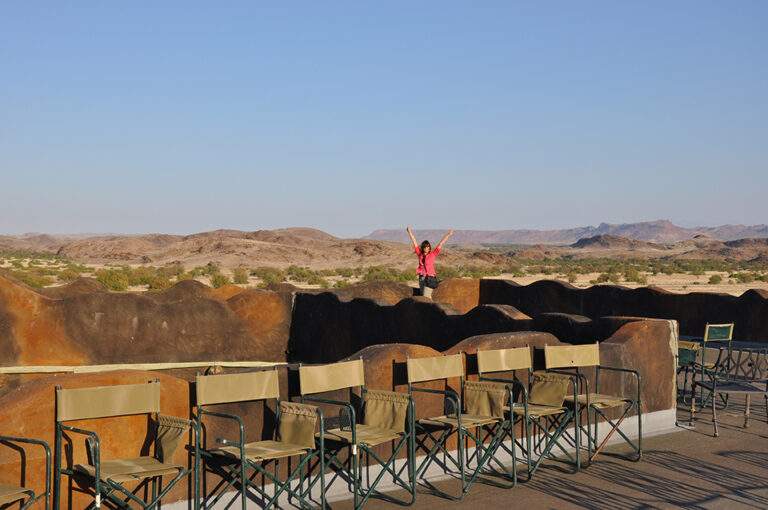
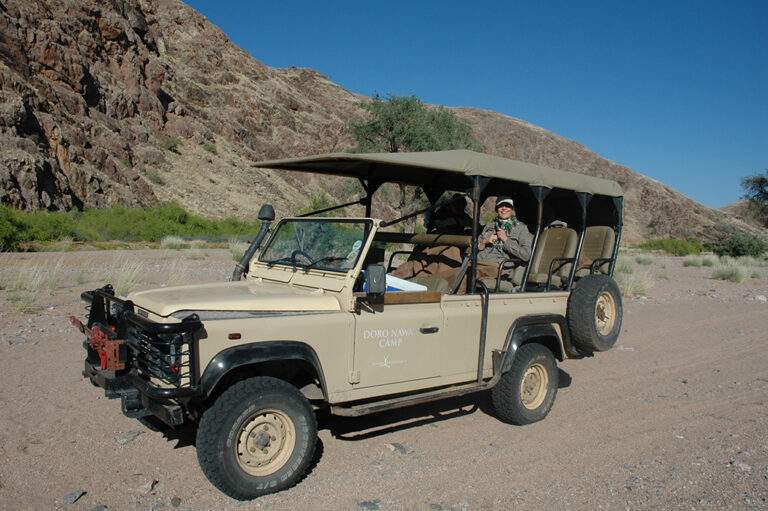
Doro Nawas Camp is located in the dry river valley of the Aba Huab and offers visitors accommodation in 16 chalets. Several activities can be booked, including game drives and walks with experienced guides, a guided tour to the rock engraving site of Twyfelfontein or a visit to the Damara Living Museum. However, the main reason for us to stop here were the desert elephants. The driving time was about 5h.
Each chalet has a terrace with a great view, beds with mosquito nets, and an ensuite bathroom. All accommodations are very luxurious.
Desert Elephants
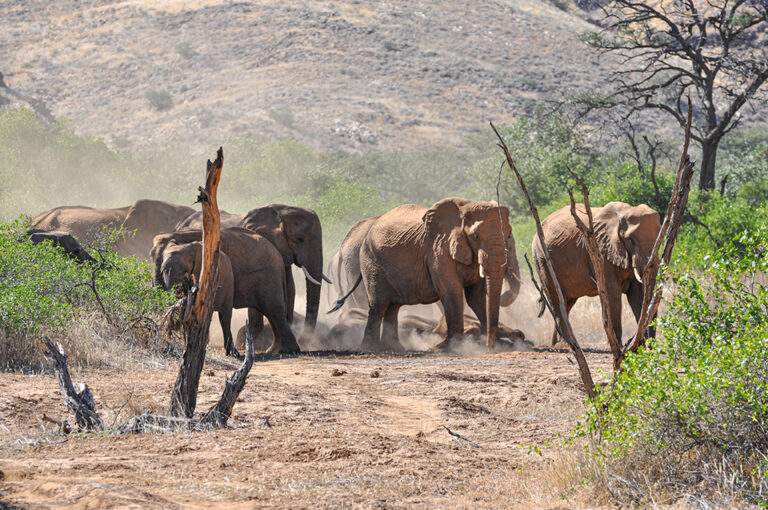
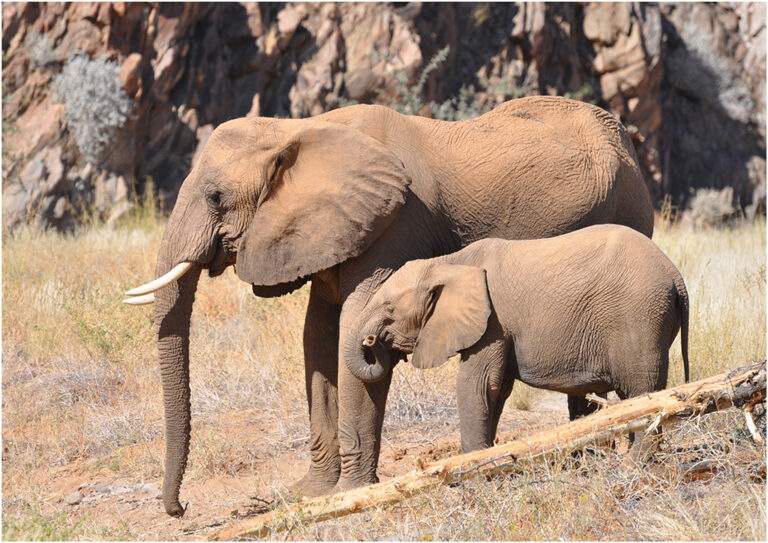
We know elephants as water-loving creatures that not only like to bathe in rivers, but also easily drink a bathtub full of it. All the more surprising that there are trunk-bearers who voluntarily do without it and live in the Namibian desert. Unfortunately, the total population of these unique animals has shrunk to about 80 to 150 animals. In Namibia they are thus on the verge of extinction. That is exactly why we still wanted to see them.
Desert Rhino Camp by Wilderness
The Lodge
Just past Palmwag—which consists mainly of a gas station that you should stop at—you’ll reach the pickup point for Desert Rhino Camp. A specific pickup time is set; if you arrive significantly early, it’s worth making a detour to the nearby Palmwag Lodge, part of the Gondwana Collection, where you can enjoy a good lunch, even though there are many bus tourists there.
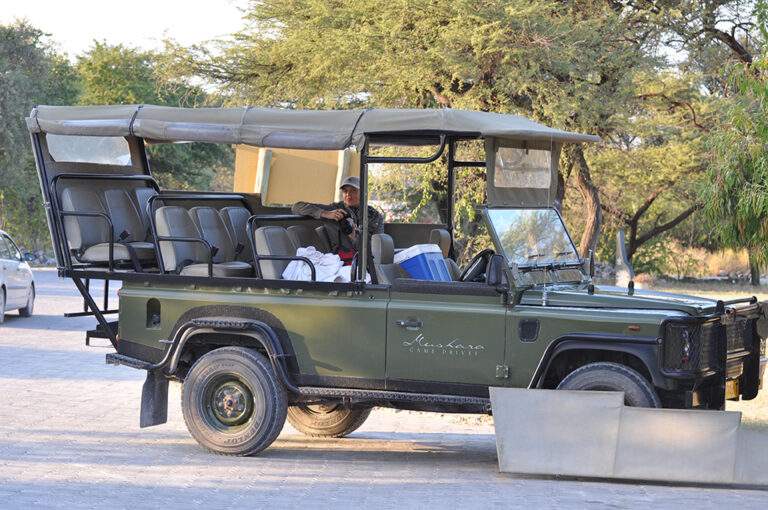
The pickup point also serves as the secure parking lot for your own car. From there, an open-top SUV takes you to the camp in about two hours—the trails are a real challenge; the term “African bush massage” describes the experience quite accurately.
The Food and Service
The food and service meet the standards expected of a lodge in this price range. The staff is very friendly and happy to answer any questions; the food can be described as good to very good, though the portions are on the smaller side.
The Tents
The tents are relatively small for a lodge in this price range, but the standard is actually very good. We would have liked to have air conditioning—which is quite understandable given that nighttime temperatures sometimes didn’t drop below 30 °C. The lodge is primarily powered by generators and solar energy; according to the lodge, there isn’t enough electricity for air conditioning. You could consider this part of the experience—though we were there in winter, when temperatures are actually even lower than in summer, so there is definitely room for improvement here.
Highlights
Three safari vehicles, each accommodating a maximum of six guests, with a private refrigerator and storage compartment for each guest—an extraordinary luxury
You have the entire safari area all to yourselves, as only the lodge’s three vehicles operate there
Folding boarding steps on the vehicles for older guests
An area of breathtaking natural beauty
Lowlights
Anyone looking for really good rhino sightings and photos is likely to be disappointed here: The area is huge, the number of rhinos is low, and the minimum viewing distance of 100–150 m means that spectacular shots like those shown on the camp’s website are more of a stroke of luck
Very limited wildlife diversity aside from rhinos—mainly ibex, ostriches, and the occasional mountain zebra, usually seen from a great distance
Poor road conditions in the safari area, resulting in a bumpy ride
No air conditioning in the tents
Miscellaneous
If you do happen to track down a rhino, you must wait until the trackers walk up close to the animal—always maintaining the minimum distance. Since the animals are very shy, the rhino may easily run away. Overall, we wouldn’t book this camp again for this experience and were glad we’d only booked two nights. However, if you’re looking for a luxurious experience at a Wilderness Group lodge and are willing to pay the price, you can certainly treat yourself to this luxury—but the rhinos shouldn’t be the main reason for your visit.
Ohorongo Tented Camp
The Lodge
Ohorongo was a small, unexpected paradise for us—not least because we were the only guests in the entire reserve. It is one of the most beautiful game-viewing areas we’ve seen in Africa so far. The reserve features both a lodge and a tented camp; we stayed at the tented camp.
The camp consists of five tents for a total of ten people, which are set up relatively close together, though this isn’t a problem. It’s just a short walk to the main building, where meals are served; the fire pit is located right in front of it. A special spot is the lookout on a small hill right next to the camp, which offers a fantastic view of the surrounding area and the reserve.
The Food and Service
Food and drinks are included in the stay, with the exception of very expensive whiskeys, etc. The quality of the food is outstanding, and the service—especially from Lukas—is second to none. You really can’t go wrong here.
The Tents
The tents are decorated in an African style, are very colorful, and offer all the necessary amenities, including a refrigerator, coffee maker, and plenty of electrical outlets. They are situated practically all around the two pools, which, however, are located lower down and are therefore not visible from the tents. The bathroom inside the tent is separated only by a curtain and features a shower and toilet; outside, there is also a toilet and an outdoor shower for those who prefer it.
Highlights
A private, vast safari area with a maximum of three vehicles from the lodge—you’ll be driving alone practically the entire time
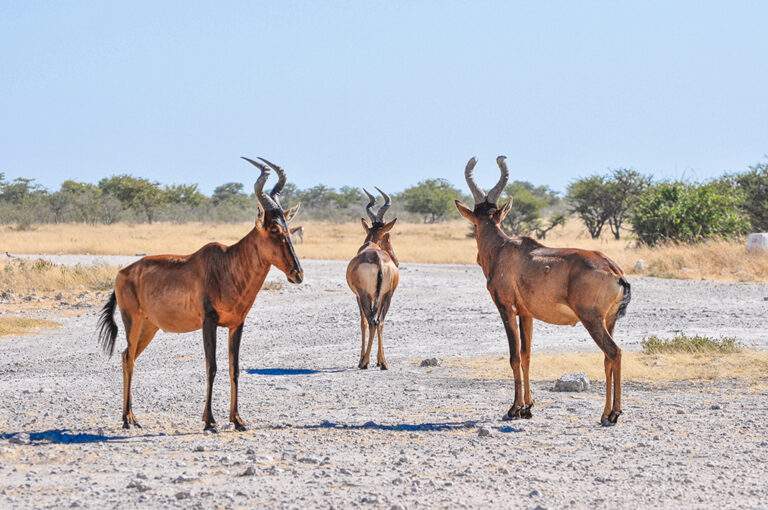
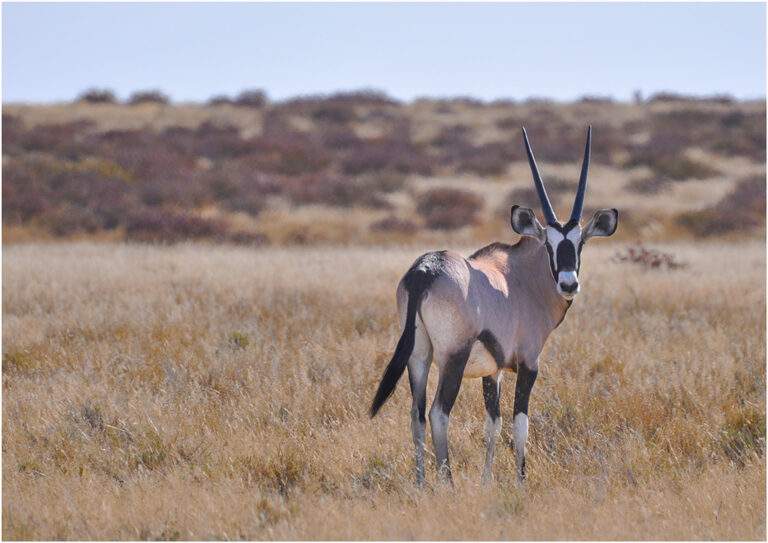
A wide variety of gazelle and antelope species (oryx, springbok, impala, sable, and many more), as well as warthogs, giraffes, and jackals
Flexible safari schedules thanks to exclusive use of the area; rhino tracking and night drives available upon request for a small additional fee
Sunsrises and sunsets against a stunning backdrop
Lowlights
When fully booked (ten guests), the safari vehicle will also be filled to capacity with ten people—if you’d like to avoid this, you should book your own vehicle (which is relatively inexpensive).
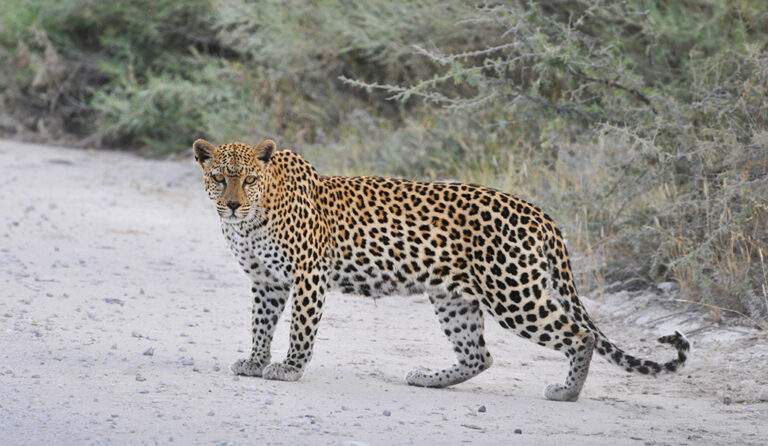
No big cats in the reserve
Other
Even without big cats, a visit to this private game reserve is highly recommended—the tranquility and the scenery alone make for a unique experience.
Etosha Heights - Safarihoek
The Lodge
Safarihoek doesn’t immediately stand out—it takes a second look—since the lodge has more of a hotel-like feel. The chalets are essentially semi-detached units, so if your neighbors are loud, you can hear every word they say. The main building is extremely large and features a reception desk—which also fits the hotel-like atmosphere. In total, the lodge can accommodate 30+ guests.
What we usually tend to avoid on a safari—a lack of individuality and a hotel-like atmosphere—is more than made up for here by the friendliness of the staff, the truly excellent service, the delicious food, and the fact that you’re practically alone in the area during the safari drives.
Directions: After passing through the entrance gate, you drive about 1.5 km to a second gate that opens at the push of a button—this brings you into the Etosha Heights area. From here, it’s about a 10-minute drive to a very steep driveway leading up to the lodge on the hill.
Right next to the main house, where meals are also served, there’s an unheated pool and a small fire pit, as well as a direct view of the waterhole with its adjacent hide. Despite its spaciousness, the main house itself lacks a bit of charm.
The Food and Service
Meals and beverages are fully included in the stay, as is the minibar in the room. The food is of truly excellent quality and tastes delicious no matter what you order. The service at the lodge is consistently good—requests are reliably met, and the staff is always friendly and cheerful.
The Rooms
As mentioned, the suites and chalets are actually semi-detached units—yet they are large and spacious, with an outdoor shower and a balcony, both offering excellent views of the savanna and the adjacent waterhole. The rooms are equipped with particularly quiet air conditioning, which is a definite advantage on hot days.
Highlights
The Hide: a two-story structure with a 180° panoramic view from the upper level and the opportunity for low-angle photography at ground level on the lower level (however, it is not accessible 24 hours a day and can only be reached via a transfer arranged by the lodge; it is located about 5 minutes from the lodge)
Special events can be arranged at the hide, such as a private brunch right by the waterhole
Excellent, personalized guide (in our case, Michael) with outstanding expertise
Helpful staff—a flat tire on our rental car was noticed without being mentioned and repaired free of charge
Lowlights
Hotel-like atmosphere due to the architectural style (semi-detached houses) and size of the main building
Hide is not accessible at all times
Etosha Heights has only been a wildlife reserve for about ten years (it was previously a hunting area); as a result, the animals are significantly more shy than in other reserves, and since only the lodge’s three vehicles are on the road, the search for lions, rhinos, or other rare animals can sometimes take a little longer
Miscellaneous
Safari times: In the morning, meet at 6:30 a.m. for coffee and a snack; departure at 7:00 a.m. The tour lasts 3–4 hours, depending on sightings. In the afternoon, meet at 4:30 p.m. for coffee and pastries; departure at 5:00 p.m. Both trips include a break for coffee or the classic sundowner.
Ongava Game Reserve
The Ongava Private Game Reserve is located directly at Andersson’s Gate in Etosha National Park. The area is completely fenced off, so there is no movement of animals between Etosha National Park and the reserve. There are a total of five lodges in the reserve: Little Ongava, Andersson’s Camp, Encounter, Ongava Lodge, and one other accommodation.
Ongava Lodge
The Lodge
Ongava Lodge is the first and oldest lodge in the reserve; it is situated directly at the foot of a mountain and features a total of 14 chalets for 30 guests. Slightly higher up is Little Ongava, which offers three suites and a very high level of exclusivity.
The lodge is about 30 years old, which unfortunately shows—for this reason, a comprehensive renovation is planned, for which the lodge will close for five months in 2026. Due to its size, Ongava Lodge lacks a personal atmosphere and has more of a hotel-like character, which is a shame, as it doesn’t necessarily have to be that way.
The Food and Service
Food is purchased collectively throughout the Ongava region, so the same meals are served in the evenings at all lodges—generally of a very high standard, with a few exceptions such as lamb or tortellini. The staff always tries their best, but due to frequent staff turnover, there is little of a personal atmosphere—it feels more like a hotel.
The Rooms
The chalets generally meet the five-star standard of an African lodge, but, as mentioned, they are showing their age; renovation is urgently needed.
Highlights
Hide with a small waterhole that’s very productive even during the day and is illuminated at night; 16 seats, a long, discreet access path—an afternoon here is definitely worth it as an alternative to a safari drive
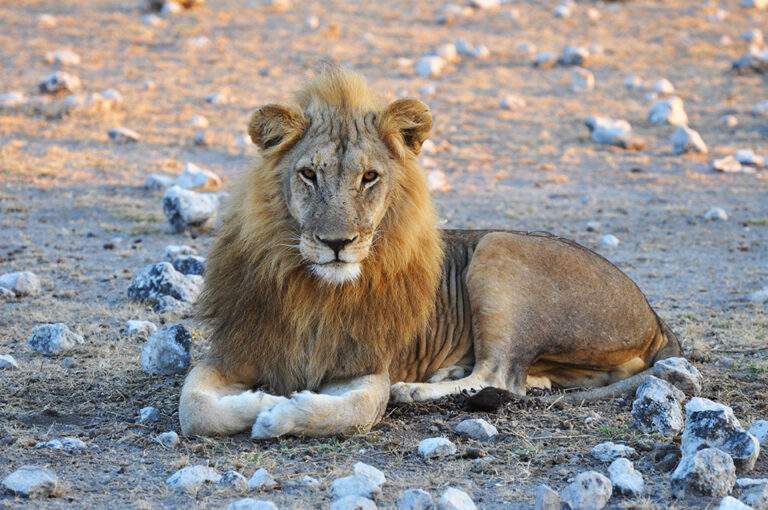
Good chances of spotting rhinos, elephants, and lions on the safari drives—a plus, especially for first-time safari-goers
Lowlights
Some safari drives take place in Etosha National Park on regular roads alongside all the other tourists—somewhat disappointing for a lodge in this price range Rooms showing their age
Lack of a personal atmosphere due to frequently changing staff
Lighting at the waterhole near the hide could be improved for photographers (it flickers!)
Other
Safari times: in the morning, depending on the season, from around 7:00 a.m. to about 11:00 a.m.; in the afternoon, from 4:30 p.m. to about 7:00 p.m., with a coffee break in the morning and a sundowner stop in the evening.
Encounter
The Lodge
Encounter is the pleasant surprise of the Ongava Lodge collection and reopened in March 2026 following a complete renovation. There are a total of nine tents accommodating a maximum of 18 guests—which is actually a bit on the high side—yet the camp captivates with its intimate atmosphere and close proximity to wildlife.
The main lodge features a modern, open layout, complete with a boma, another fire pit right by the waterhole, and cozy seating areas throughout. Here, you immediately feel at home and surrounded by nature. The adjacent infinity pool is frequently used by elephants for drinking—an added highlight.
The Food and Service
Since the food is the same across all lodges—with only the chefs differing—it’s safe to assume that everything at Encounter tastes excellent as well. We didn’t try it ourselves, however, since we stayed at Ongava Lodge but visited Encounter Camp twice, including once to watch the sunset there. The staff is extremely friendly; the small number of guests creates a family-like, very warm atmosphere.
The Tents
The tents aren’t particularly large, but they’re extremely luxurious—complete with air conditioning. It’s clear that the renovation was well worth it; you immediately feel right at home.
Highlights
A very personal, family-like atmosphere despite the camp’s size
Infinity pool with occasional visits from elephants
More modern safari vehicles with only six seats instead of more, resulting in more relaxed rides
Lowlights
With nine tents and 18 guests, it’s still slightly on the upper end for our taste
Other
The safaris are conducted in the same way as at Ongava Lodge, but with more modern vehicles that seat only six instead of more.
Anderssons Camp
The Lodge
Anderssons Camp is a very modern camp and, alongside Little Ongava, the most expensive one in the reserve—so our expectations were correspondingly high. Overall, it’s a very beautiful camp, but it doesn’t quite match the personality and “home-away-from-home” feel of Encounter. Due to its modern design, Anderssons feels rather sterile, even though the staff is very warm and welcoming.
Anderssons is the only fully fenced camp in the reserve, so you can move about freely even at night.
The Food and Service
The service and dining experience meet the same high standards as in the rest of the Ongava Reserve.
The Rooms
The chalets are spacious, modern, and brightly designed, offering the typical five-star safari comfort. Unlike at Ongava Lodge, you’ll quickly feel at home here and will want to stay longer. One somewhat unusual feature: there’s even a TV, though according to the lodge, it’s intended solely for live footage of the waterhole.
Highlights
A hide accessible 24 hours a day via a tunnel (similar in design to the one at Ongava Lodge)
An on-site wildlife center with background information on the reserve and its wildlife
Modern safari vehicles with only six seats
Lowlights
Due to its modern design, it feels rather sterile and impersonal compared to Encounter Compared to Ongava Lodge, the hide does not offer any real added value that justifies the extra cost
Other
Ongava Lodge also plans to switch to a maximum of six seats per safari vehicle in the future.
Conclusion Ongava-Reserve
We wouldn’t book Ongava Lodge again—even after the planned renovation—because of its size; the game area didn’t really impress us either. However, the chances of spotting rhinos, elephants, and lions are really good, which is a plus, especially for first-time safari-goers. A similar conclusion applies to Andersson’s Camp: with nine chalets and 18 guests, it’s also too sterile and large for our taste, given the price.
The only reason we’d return to this area would be the Encounter Tented Camp, which we really liked and where a 2–3-day stay is definitely worthwhile. Although it also has nine tents, the atmosphere there is much more intimate than at the other lodges. We didn’t visit Little Ongava and therefore can’t comment on it.
Etosha, Okaukuejo Camp
Okaukuejo Rest Camp was originally a military outpost established in 1901 to which a tower was added in 1963. Okaukuejo is located in the south of Etosha National Park and only 17 km from Anderson Gate.
In Okaukuejo you can choose between different types of accommodation and you will also find, among other things, a gas station and a small store. On warm days you can cool off in the swimming pool or enjoy the drinks and food offered in the restaurant. Already from the early morning hours animals are active for which the waterhole is a popular place to go. Especially during the winter, a large number of animals gather in the vicinity of the waterhole to quench their thirst. After sunset the waterhole is floodlit.
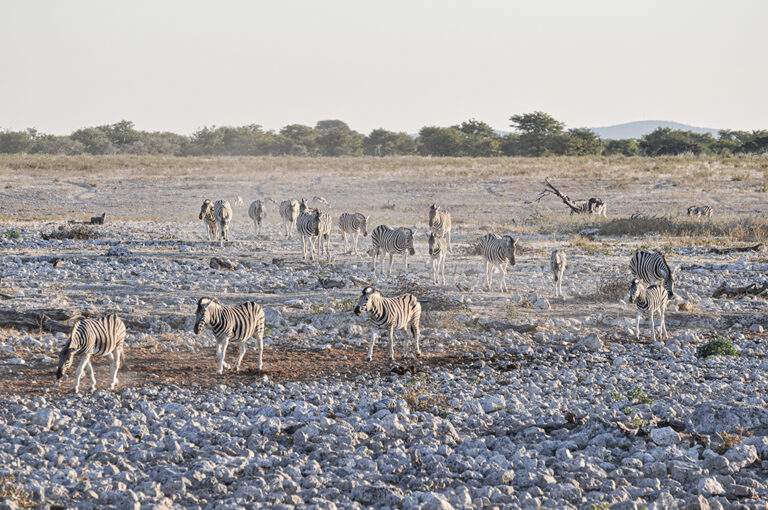
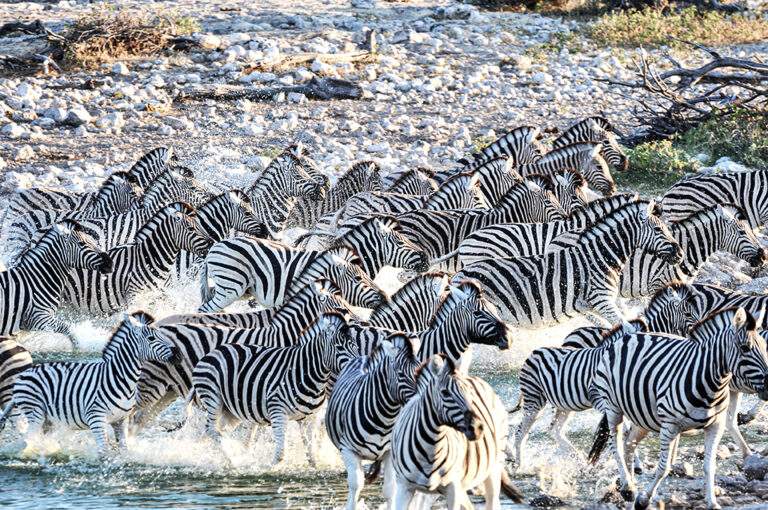
Etosha National Park is unique within Africa. The main feature of the park is the salt pan, which is visible even from space. Despite this, there is an abundant wildlife population that congregates at waterholes, so animal sightings are guaranteed. Additionally, Etosha National Park is one of the most accessible reserves in Namibia and southern Africa.
The park is now malaria free, accessible by regular small cars, and the camps offer numerous places to stay as well as restaurants, viewpoints, stores, and gas stations. Luxury camps in the remote areas of Etosha Park also add top-end accommodations.
Mushara The Outpost
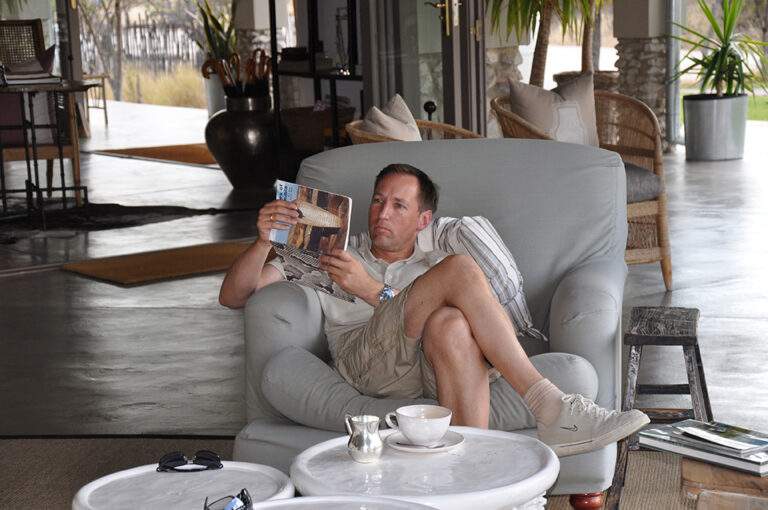
Mushara Outpost is another member of the Mushara Collection, located just 10 km from the Von Lindequist Gate of the world famous Etosha National Park, offering exquisite accommodations.
Exclusive tents, like in Beyond Africa. Get away from it all, enjoy nature. A super base for excursions to the beautiful Ethosa Park Super friendly staff and equally great service. We were welcomed with beaming faces. The food is just the best, as well as the whole ambience around. Outside shower. Warthogs in the middle of the garden. Campfire before dinner, absolute sense of adventure. Also the trips with our guide. The only drawback of this really fantastic accommodation is that it is located outside the park.
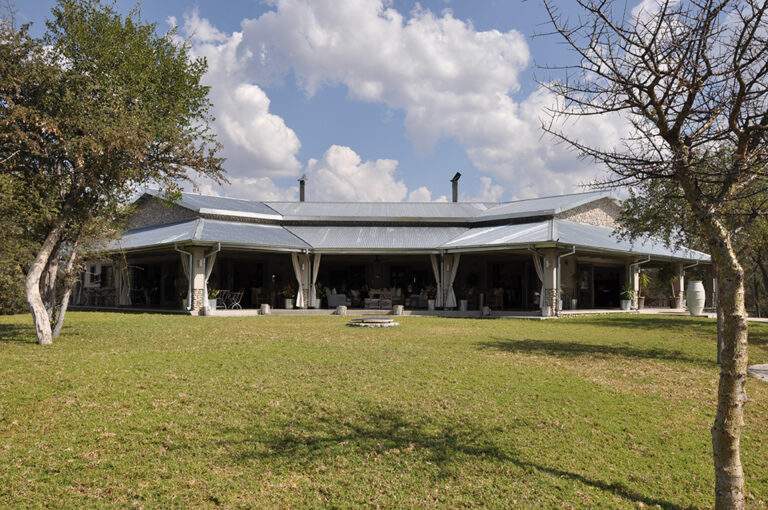
The lodge is designed for a maximum of 16 guests in 8 specially built tent-like structures made of wood and canvas, but they leave nothing to be desired. The main house of the lodge offers the charm of an old farmhouse with high walls and a veranda.
Otjiwa Collection - Thornbush Tented Camp
Thornbush Tented Camp
The Lodge
The drive from Mushare to Windhoek takes 6–7 hours, and it’s no fun. That’s why it’s a good idea to plan a stopover for one or two nights on the way back to Windhoek. The Otjiwa Collection near Otjiwarongo—and specifically the Thornbush Tented Camp—is ideal for this. From there, it’s just over 2 hours to Windhoek.
The lodge features a main building with an infinity pool, a curio shop, and a restaurant.
The Chalets
The lodge has a total of 10 chalets, 2 of which are family chalets. The chalets are decorated in African style and are extremely luxurious. For us, they’re among the most beautiful chalets we’ve seen in Africa so far.
The Food and Service
The food is excellent and of high quality. The staff takes wonderful care of their guests and is always attentive.
Highlight
For us, the clear highlight of this lodge is the hot tub, which comes with every chalet and is available 24 hours a day. What could be better than lying in a warm tub in the evening and gazing up at the African starry sky?
Conclusion
Namibia is a great country that you should definitely visit. The country is about twice the size of Germany and has only 2-3 million inhabitants. So actually you could say it is deserted. This is also noticeable in the large distances between places, where you drive for hours and meet no other people. It is exactly this quietness and originality that give Namibia its charm. We will go there again, because there is still a lot in this country that we have not yet discovered.
Order calendars and more from our Phototrips
as of 18,90€, Sizes A2-A5
What photo equipment for Namibia?
The photo equipment we took to Namibia is listed below. In addition, you have the possibility to order the used photo equipment directly via our Photo-Store and to request further technical details. There you can also find a lot of extras.
Durch die Benutzung der Website erklären Sie sich mit der Verwendung von Cookies einverstanden.
With the usage of our website you agree to the usage of cookies. Akzeptieren / AcceptRead More
Privacy & Cookies Policy
Privacy Overview
This website uses cookies to improve your experience while you navigate through the website. Out of these, the cookies that are categorized as necessary are stored on your browser as they are essential for the working of basic functionalities of the website. We also use third-party cookies that help us analyze and understand how you use this website. These cookies will be stored in your browser only with your consent. You also have the option to opt-out of these cookies. But opting out of some of these cookies may affect your browsing experience.
Necessary cookies are absolutely essential for the website to function properly. This category only includes cookies that ensures basic functionalities and security features of the website. These cookies do not store any personal information.
Any cookies that may not be particularly necessary for the website to function and is used specifically to collect user personal data via analytics, ads, other embedded contents are termed as non-necessary cookies. It is mandatory to procure user consent prior to running these cookies on your website.